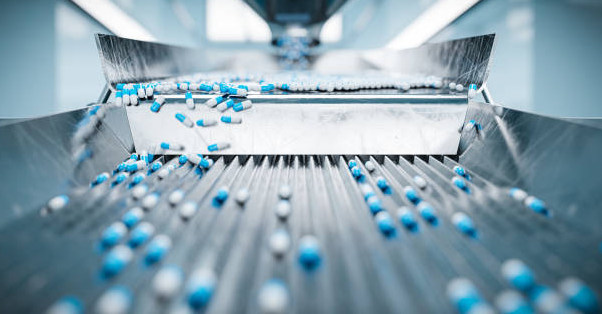
India is one of the largest pharmaceutical producers in the world. The country supplies roughly 20% of global generic medicines by volume, according to the Indian Pharmaceutical Alliance. That scale didn’t happen without a manufacturing backbone. A big part of that backbone is 3rd party pharma manufacturing.
If you’re building a pharma brand in India, or thinking about it, this is something you need to understand properly. Not just the concept, but how it works, what it costs you if you skip it, and what it looks like when it goes wrong. Let’s break it down.
3rd Party Pharma Manufacturing: What Does it Mean in India
3rd party pharma manufacturing involves producing medicines on behalf of another brand. The brand owns the product, markets it, and sells it. The manufacturer handles everything inside the plant, from raw material sourcing to final packaging.
The brand name goes on the label. The manufacturer’s name typically does not. This arrangement lets pharmaceutical brands sell products without owning or operating a manufacturing facility. It’s a practical model, and India has built an entire industry around it.
Why India Became the Default Choice
India has a few things going for it. A large pool of pharmaceutical scientists and technicians. Relatively lower production costs compared to the US or Europe. Years of regulatory experience supplying markets governed by the US FDA, UK MHRA, and WHO.
The Pharmaceuticals Export Promotion Council of India reported that India’s pharma exports crossed Rs 2.06 lakh crore in FY2023. A large portion of that output comes from contract and 3rd party manufacturing arrangements. The infrastructure already exists. The expertise already exists. You’re stepping into something that’s been stress-tested for years.
What Nobody Tells You
Here’s where it gets uncomfortable. Not all 3rd party manufacturers in India meet the same standards.
Some manufacturers hold WHO-GMP certification. Some hold GMP certification for domestic markets only. Some hold nothing at all, or hold certifications that have expired and never been renewed. The difference matters more than perhaps most new pharma entrepreneurs realise.
A product made in a non-certified facility can fail regulatory audits. It can get rejected by state drug authorities. It can end up in a recall. And the brand that put its name on the label takes the full hit, not the manufacturer.
This is the fear you should sit with for a moment. You spend months building a product, building a sales network, building a brand. Then one batch fails. One audit flags your manufacturer. Your brand takes the reputational damage, not the plant in Panchkula or Baddi that made the product.
The safest thing you can do is choose a manufacturer with active, verifiable WHO-GMP certification and a long record of serving pharmaceutical brands.
What You’re Really Buying
People think of 3rd party manufacturing as buying production capacity. That’s part of it, but perhaps not the most important part.
What you’re really buying is approved formulations, regulatory documentation, quality testing infrastructure, and the accumulated experience of a manufacturer who has dealt with audits, batch failures, and regulatory changes over years of operation.
A manufacturer with 1,500 approved formulations across tablets, capsules, oral liquids, and external preparations gives your brand options. You can launch a cardiovascular product today and a dermatology line six months from now, using the same manufacturing partner. You don’t need to start from scratch each time.
See also: How Heavy Traffic Conditions Make Reliable Towing Services in Miami a Roadside Necessity
How to Evaluate a 3rd Party Pharma Manufacturer
Certifications. WHO-GMP is the standard to look for. Ask for documentation. Verify the certification status directly if you can. Manufacturers with EU GMP or PIC/s auditable facilities meet an even higher bar.
Product range. Ask how many formulations they carry approvals for. Ask which therapeutic segments they cover. A manufacturer with breadth across multiple categories gives your brand room to grow.
Regulatory support. Good manufacturers help with documentation, stability studies, and shelf-life testing. If a manufacturer says that’s not their problem, that’s a warning sign.
Minimum order quantities. Some manufacturers require large batch sizes that don’t make sense for a brand just starting out. Ask upfront.
Track record. How many brands have they served? How long have they been operating? A facility that has worked with 1,000 or more customers over a decade has been through situations you haven’t encountered yet. That experience matters.
Price Considerations
Price is probably the thing that trips up the most new pharma brands. Manufacturing at a lower cost per unit sounds like a smart move when you’re trying to keep margins healthy. And yes, pricing matters.
What the Right Partnership Looks Like
India has manufacturers who operate at that level. Finding them takes more than a Google search and a price comparison. It takes asking the right questions and knowing what answers actually mean something.
Your brand’s credibility in the market depends partly on what happens inside a manufacturing plant you may never visit. Choose carefully.