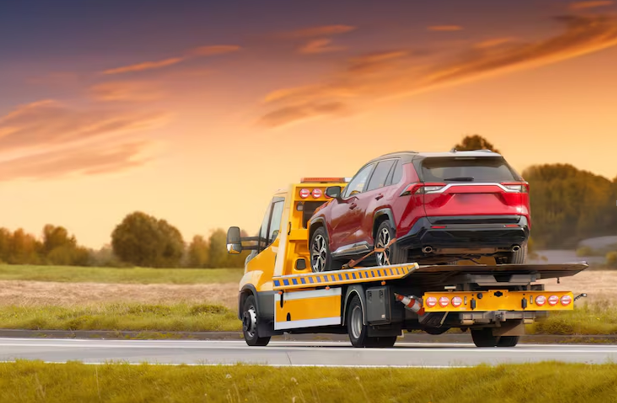
Miami roads have a personality of their own. The congestion starts before most people finish their morning coffee, and it does not ease up until well past dinner. Stretches of I-95 near downtown or the Palmetto during peak hours can chew through forty-five minutes of your day without warning. For regular drivers, this is just Tuesday.
But when something goes wrong with your car out there, the stakes shift fast. A flat tire, an overheated engine, a battery that finally gave up after one too many South Florida summers. The cars behind you are not slowing down. That is when Miami towing stops being an abstract concept and starts being something you genuinely need, quickly, and from someone who actually knows the roads.
A lot of drivers in the area have started keeping Quintana Towing Services LLC in their contacts before anything bad happens. That might sound overly cautious, but anyone who has been stranded on the 836 during rush hour understands why. Having a number you trust already saved is worth more than you realize until the moment you actually need it.
Why Miami Roads Wear Vehicles Down Faster Than Most Cities
The climate does real damage. Battery life shortens in sustained heat. Tires run hotter on sun-baked asphalt and blow at higher rates. Coolant systems work overtime when traffic backs up, and engines sit idling for long stretches. None of this is dramatic or unusual; it is just what happens to vehicles driven regularly in a city like Miami.
What catches people off guard is how quickly these problems escalate. A tire that was fine last week can fail this week. An engine that was running warm starts overheating when you hit unexpected gridlock on US-1. Miami does not give much runway between “minor issue” and “car is not moving.”
Getting Stranded in Miami Traffic Feels Different Than Anywhere Else
Picture this. Your car dies in the right lane of a busy stretch near Brickell. Hazard lights on, traffic cutting around you, heat coming off the pavement. You are suddenly very aware of how exposed you are. Getting the car moved is not optional; it is urgent.
Most people in that situation start searching frantically on their phones for whoever can get there fastest. That is a bad way to hire anyone for anything. You end up calling based on whoever ranks first in a search result, not based on whether they are actually reliable. Prices get quoted one way over the phone and come out differently in person. Response times get promised and then quietly forgotten.
That scramble is avoidable. Researching towing companies when you are calm and not in crisis takes maybe ten minutes and saves a lot of grief later.
The Breakdowns That Send Miami Drivers Searching for a Tow
Not every car problem requires a tow, but more do than people expect. Here is what comes up most often on Miami roads:
- Blowouts at highway speed, where the vehicle cannot be safely driven even a short distance
- Engine overheating from extended idling in summer traffic
- Dead batteries, which fail at higher rates in hot climates year-round
- Post-accident damage that makes a vehicle un drivable
- Lockouts, sometimes with the engine still running
- Running out of fuel on a stretch where walking is genuinely unsafe
Some of these are emergencies. Others give you a few minutes to breathe before calling. Either way, the company you call needs to give you a realistic arrival time and then actually stick to it.
See also: Cybersecurity Strategies for Small Businesses
Picking a Towing Company Before You Need One
The best time to vet a towing service is when nothing is wrong. Most people skip this step entirely, which is why so many breakdown stories end with someone complaining about a company they had never heard of before that day.
A few things worth checking ahead of time:
- Whether their coverage area actually includes the parts of Miami you drive through regularly
- What vehicle types they handle, since not every company tows motorcycles or larger trucks
- Whether pricing gets confirmed before the tow begins, not after
- Reviews that specifically mention how they handled timing and communication
- Whether someone actually answers the phone when you call to ask a basic question
That last one tells you a lot. A company that is hard to reach when you are casually inquiring is going to be even harder to reach when you are standing on a shoulder at 7 pm.
What Bad Towing Choices Actually Cost You
There is a pattern that repeats itself with towing complaints. The price quoted over the phone was not the price charged at the end. The driver showed up an hour late. Nobody answered a follow-up call. The car got loaded carelessly and arrived with a new scratch.
These are not rare exceptions. They are common enough that experienced Miami drivers have learned to be selective even when they are stressed and pressed for time. The cost is not just financial, though overcharging absolutely happens. It is the time lost waiting, the stress of being in a vulnerable position with an unreliable company, and the possibility that a bad tow causes additional damage to your vehicle.
A Simple Habit That Changes Everything
Preparing for a breakdown is not pessimistic. It is the same logic as keeping a spare tire or knowing where your insurance card is. Miami roads generate more incidents than most cities, and the traffic conditions make every incident harder to navigate.
Save a reliable towing number. Confirm they cover your route. Know what your insurance roadside plan does and does not include. Those small steps take almost no time and completely change how a breakdown plays out when it actually happens.
The roads are not getting quieter. Planning ahead is just the smart way to drive in a city this busy.