In recent years, UK homeowners have increasingly embraced architectural features that maximise natural light while adding a distinctive visual element to their properties. Among these, pyramid skylights have emerged as a standout choice. Combining striking geometry with practical performance, they are now a popular addition to modern extensions, renovations, and even traditional homes seeking a contemporary upgrade.
If you’re exploring options for a pyramid sky light, this guide will help you understand what makes them unique, how they compare to other rooflight styles, and why they are becoming a must-have feature in pyramid skylights UK projects.
What Are Pyramid Skylights?
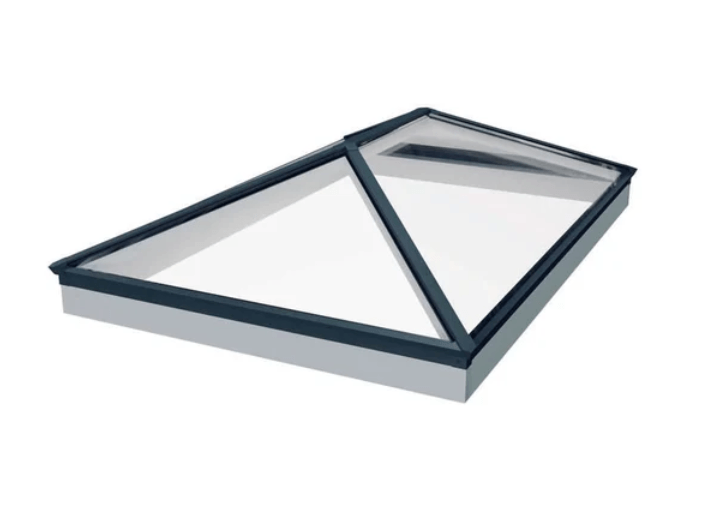
Pyramid skylights are rooflights designed with a raised, multi-sided structure that forms a pyramid shape. Typically installed on flat roofs, they consist of four triangular glazed panels that meet at a central point, creating a pitched form that rises above the roofline.
Unlike flat rooflights, which sit almost flush with the roof surface, pyramid skylights introduce height and dimension. This design is not just aesthetic—it also serves functional purposes. The angled sides naturally encourage rainwater runoff, making them well-suited to the UK’s wet climate.
A pyramid sky light can be constructed using glass or polycarbonate materials, depending on the desired level of insulation, durability, and budget. Many models are fixed, though some advanced designs may include ventilation features.
How Pyramid Skylights Differ from Flat Rooflights
At first glance, the difference between pyramid skylights and flat rooflights is obvious—the shape. However, the distinction goes far beyond appearance.
Flat rooflights are typically minimalist and sit close to the roof surface, offering a sleek, modern look. They are excellent for maximising light without altering the external profile of a building. However, they tend to direct light straight downward, which can create more concentrated illumination.
In contrast, pyramid skylights are elevated and multi-angled. This allows light to enter from multiple directions throughout the day, creating a more diffused and evenly distributed glow within the space below. The result is a softer, more natural lighting effect that reduces harsh shadows.
Additionally, the raised structure of pyramid skylights improves drainage and reduces the likelihood of water pooling—an important consideration for flat roofs in the UK.
Architectural Appeal: A Statement Feature for Any Home
One of the biggest reasons homeowners choose pyramid skylights UK is their visual impact. These skylights act as architectural focal points, instantly elevating the design of a space.
From the exterior, a pyramid skylight adds depth and character to an otherwise plain flat roof. It creates a sculptural element that enhances the overall appearance of the property. For modern homes, it complements clean lines and contemporary aesthetics. For traditional properties, it introduces a subtle contrast that blends old and new design elements.
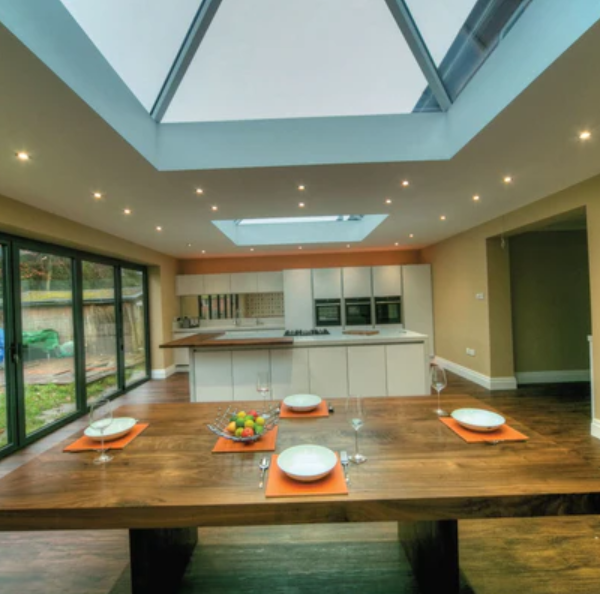
Inside the home, the effect is equally impressive. The upward angles draw the eye, creating a sense of height and openness. Rooms feel larger, brighter, and more inviting. Whether installed in a kitchen extension or a central living area, a pyramid sky light transforms the atmosphere of the space.
Superior Light Distribution and Natural Brightness
Lighting is one of the most important factors in home design, and this is where pyramid skylights truly excel.
Because of their multi-faceted design, pyramid skylights capture sunlight from different angles throughout the day. This ensures a more consistent level of natural light, even as the sun moves across the sky. Instead of a single beam of light, you get a broader, more even spread.
This improved light distribution has several benefits:
- Reduced reliance on artificial lighting: Rooms stay brighter for longer, lowering energy usage
- Enhanced ambience: Soft, natural light creates a comfortable and welcoming environment
- Better visibility: Ideal for workspaces, kitchens, and living areas where clarity matters
For homes with limited wall space for windows—such as extensions or terraced properties—this type of skylight can make a dramatic difference.
See also: New Construction Home Builders Perth Delivering Modern Custom Built Homes From Design to Completion
Why Pyramid Skylights Are Trending in UK Homes
The growing popularity of pyramid skylights UK is closely linked to broader trends in home design and renovation.
Rise of Open-Plan Living
Open-plan layouts have become a defining feature of modern homes. These spaces often rely on rooflights to bring in natural light, as internal walls are removed and traditional window placement becomes less effective. Pyramid skylights provide both illumination and a design statement, making them ideal for these layouts.
Increase in Flat Roof Extensions
Many UK homeowners are extending their homes with flat roof structures, particularly at the rear of the property. These extensions often lack sufficient vertical windows, making skylights essential. Pyramid designs offer a practical and visually appealing solution.
Focus on Natural Light and Wellbeing
There is a growing awareness of the impact of natural light on wellbeing. Bright, well-lit spaces can improve mood, productivity, and overall comfort. A pyramid sky light helps achieve this by maximising daylight exposure.
Desire for Unique Design Features
Homeowners are increasingly looking for ways to personalise their spaces. Pyramid skylights stand out from standard rooflights, offering a distinctive look that adds character and value to a property.
Pyramid Skylights vs Roof Lanterns vs Flat Rooflights
When choosing a skylight, it’s important to understand how pyramid skylights compare to other popular options.
Pyramid Skylights
- Compact, geometric design
- Ideal for smaller to medium-sized spaces
- Even light distribution from multiple angles
- Strong visual impact without dominating the roof
Roof Lanterns
- Larger, more elaborate structures
- Typically rectangular with multiple panes
- Designed for bigger extensions and open-plan areas
- Offer a more traditional or classic aesthetic
Flat Rooflights
- Minimalist, low-profile design
- Best for modern, understated spaces
- Direct light entry with less diffusion
- Often more budget-friendly
Each option has its advantages, but pyramid skylights strike a balance between style, performance, and practicality. They offer more visual interest than flat rooflights while being more compact and cost-effective than large roof lanterns.
Real-Life Use Cases in UK Homes
The versatility of pyramid skylights makes them suitable for a wide range of applications. Here are some common ways homeowners are using them:
Kitchen Extensions
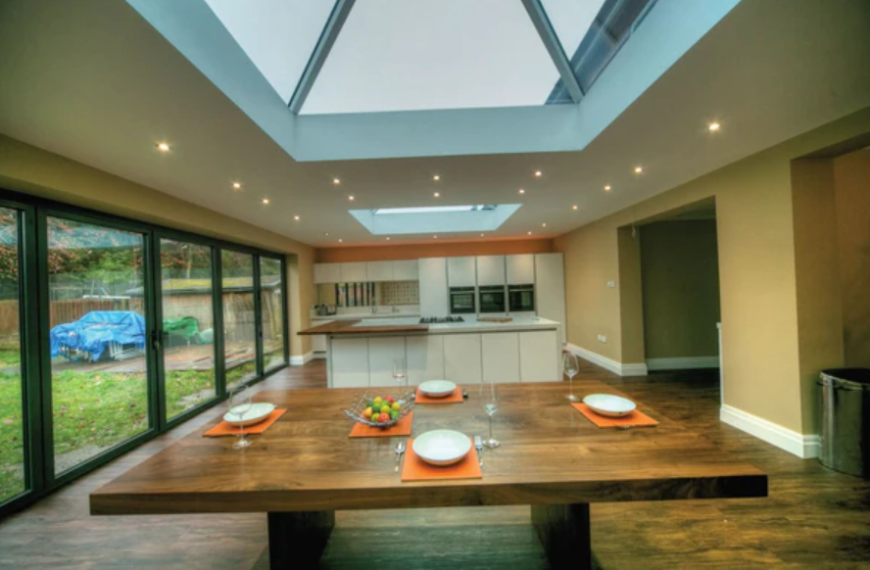
In kitchen extensions, a pyramid sky light can be positioned above an island or dining area to create a bright, central focal point. It enhances both functionality and aesthetics, making the space more enjoyable to use.
Living Rooms
For open-plan living areas, pyramid skylights provide balanced lighting that reduces the need for artificial sources during the day. They also add a sense of luxury and openness.
Hallways and Stairwells
These often-overlooked areas can benefit greatly from additional light. Installing a pyramid skylight transforms dark, narrow spaces into bright and welcoming zones.
Home Offices
With more people working from home, creating a well-lit workspace is essential. Natural light from a pyramid skylight improves focus and reduces eye strain.
Renovation Projects
In older properties, adding a pyramid skylight can modernise the space without altering the building’s character. It’s an effective way to introduce contemporary design elements while preserving traditional features.
Practical Considerations Before Installation
While pyramid skylights UK offer many benefits, it’s important to consider a few practical factors before installation.
Size and Placement
Choosing the right size is crucial for achieving the desired level of light. Placement should be carefully planned to maximise sunlight exposure throughout the day.
Glazing Options
Glass skylights provide better insulation and clarity, while polycarbonate options are more budget-friendly and lightweight. The choice depends on your priorities and budget.
Thermal Performance
Look for skylights with strong insulation properties to maintain energy efficiency. Double or triple glazing is recommended for UK climates.
Professional Installation
Proper installation is key to ensuring performance and longevity. Working with experienced professionals helps prevent issues such as leaks or poor insulation.
Conclusion
Pyramid skylights have become a defining feature in modern UK home design, offering a unique combination of style, functionality, and performance. Their distinctive shape not only enhances the visual appeal of a property but also improves natural light distribution, creating brighter and more comfortable living spaces.
Whether you’re planning a new extension or upgrading an existing room, a pyramid sky light provides a versatile solution that suits a wide range of applications. Compared to flat rooflights and roof lanterns, pyramid skylights offer a balanced option that delivers both aesthetic impact and practical benefits.
As more homeowners prioritise natural light, energy efficiency, and design innovation, it’s no surprise that pyramid skylights UK continue to grow in popularity. Investing in one is not just about improving your home today—it’s about enhancing its value and liveability for years to come.