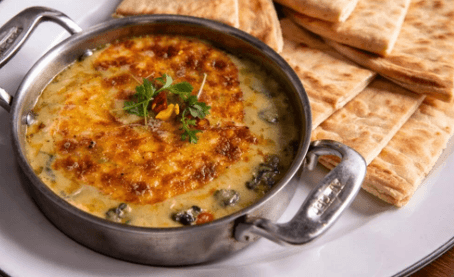

A well-designed restaurant soup menu has the power to elevate a dining experience from ordinary to memorable. Soups are often the first impression a guest has of a kitchen’s creativity and skill. From light broths to hearty bowls, soups can reflect seasonality, regional identity, and comfort all in one dish. Among the many beloved options, clam chowder restaurant holds a special place as a timeless restaurant favorite that continues to draw diners in.
This blog explores how to build an appealing restaurant soup menu while highlighting the enduring popularity of clam chowder in restaurants.
Why Soup Matters on a Restaurant Menu
Soup is more than just a starter. It plays a strategic role in menu planning. A thoughtfully curated soup selection can set the tone for the entire meal. It can also cater to a wide variety of preferences, from health-conscious diners to those seeking indulgent comfort food.
Restaurants often use soups to showcase fresh ingredients and culinary techniques. Seasonal vegetables, herbs, and proteins can be transformed into dishes that feel both simple and refined. In many cases, soups also offer high profit margins, making them a smart addition to any menu.
A strong restaurant soup menu balances variety and consistency. It provides familiar classics while introducing unique flavors that encourage repeat visits.
Elements of a Successful Restaurant Soup Menu
Creating a compelling restaurant soup menu requires attention to several important factors.
Variety and Balance
A good soup menu includes a mix of textures and flavors. Cream-based soups such as chowders and bisques offer richness, while broth-based options provide lighter alternatives. Including vegetarian or vegan choices ensures that all diners feel accommodated.
See also: Why Multi-Location Businesses Keep Choosing PeppyBooks Inc
Seasonal Ingredients
Seasonality enhances both taste and presentation. Warm, hearty soups are ideal for colder months, while lighter and refreshing options work well in warmer weather. Using seasonal produce not only improves flavor but also supports cost efficiency.
Presentation and Description
How a soup is described on the menu can influence a customer’s choice. Words that evoke comfort, freshness, and authenticity can make a dish more appealing. Presentation also matters. Garnishes, bowls, and serving style all contribute to the overall experience.
Signature Dishes
Every restaurant benefits from having a signature soup that sets it apart. This is where clam chowder often shines. Its rich history and satisfying flavor make it a standout option that many customers actively seek.
The Enduring Appeal of Clam Chowder in Restaurants
Clam chowder is one of the most iconic soups found on restaurant menus. Its creamy texture, savory flavor, and comforting warmth have made it a staple in many dining establishments.
Originating from coastal regions, clam chowder has evolved into several popular variations. The most well-known styles include New England clam chowder, which features a creamy base, and Manhattan clam chowder, which uses a tomato-based broth. Each version offers a unique taste experience while maintaining the core essence of the dish.
Why Customers Love Clam Chowder
Clam chowder appeals to a wide audience for several reasons.
- Rich and Comforting Flavor
The combination of clams, potatoes, cream, and seasoning creates a hearty dish that feels both indulgent and satisfying. - Sense of Tradition
Many diners associate clam chowder with coastal dining and classic culinary traditions. This emotional connection enhances its appeal. - Versatility
Clam chowder can be served as a starter or a main course. It pairs well with bread, salads, and seafood dishes, making it a flexible menu item.
Building a Clam Chowder Restaurant Offering
For restaurants looking to highlight clam chowder, there are several ways to make it stand out on the menu.
Focus on Quality Ingredients
Fresh clams are essential for authentic flavor. The quality of the broth, cream, and vegetables also plays a crucial role. Using high-quality ingredients ensures that the dish delivers a memorable experience.
Offer Regional Variations
Introducing different styles of clam chowder can add variety to the menu. For example, offering both creamy and tomato-based versions allows customers to choose based on their preferences. Some restaurants even experiment with modern twists, incorporating spices or alternative ingredients to create unique interpretations.
Pairing Suggestions
Pairing clam chowder with complementary items enhances the dining experience. Crusty bread, oyster crackers, or a light salad can elevate the dish. Including pairing suggestions on the menu can guide customers and increase overall satisfaction.
Highlighting the Dish
Positioning clam chowder as a featured item can attract attention. This can be done through menu design, daily specials, or staff recommendations. When presented as a signature dish, it becomes a key part of the restaurant’s identity.
Trends in Modern Restaurant Soup Menus
The restaurant industry continues to evolve, and soup menus are no exception. Several trends are shaping how soups are presented and enjoyed.
Health Conscious Options
Many diners are seeking healthier choices. Restaurants are responding by offering soups that are low in calories, gluten-free, or plant-based. Clear broths, vegetable soups, and protein-rich options are becoming increasingly popular.
Global Influences
International flavors are making their way into soup menus. Ingredients and techniques from different cuisines can add excitement and diversity. This trend allows restaurants to experiment while still maintaining classic favorites like clam chowder.
Customization
Customization is becoming more common in dining experiences. Some restaurants allow customers to choose ingredients, spice levels, or toppings for their soups. This approach enhances engagement and satisfaction.
Sustainability
Sustainability is an important consideration for many diners. Using locally sourced ingredients and minimizing waste can improve both the quality of the food and the restaurant’s reputation.
Tips for Designing an Engaging Soup Menu
A well-designed menu can make a significant difference in how soups are perceived and ordered.
- Keep the menu concise and focused. Too many options can overwhelm customers.
- Use descriptive language that highlights key ingredients and flavors.
- Organize soups by type or season to make navigation easier.
- Feature popular items such as clam chowder prominently.
- Update the menu regularly to reflect seasonal changes and customer feedback.
The Role of Soup in Customer Experience
Soup has a unique ability to create a sense of comfort and warmth. It often reminds people of home-cooked meals and familiar flavors. This emotional connection can enhance the overall dining experience and encourage repeat visits.
For restaurants, investing in a strong soup menu is a way to build loyalty and stand out in a competitive market. Whether it is a simple vegetable broth or a rich clam chowder, each bowl has the potential to leave a lasting impression.
Conclusion
A thoughtfully crafted restaurant soup menu is an essential component of a successful dining experience. It offers variety, showcases creativity, and meets diverse customer preferences. Among the many options available, clam chowder remains a standout choice that combines tradition, flavor, and comfort.
By focusing on quality ingredients, balanced offerings, and appealing presentation, restaurants can create a soup menu that not only satisfies but also delights. Clam chowder, with its rich heritage and enduring popularity, continues to be a cornerstone of this culinary category, making it a must-have for any restaurant looking to impress its guests.