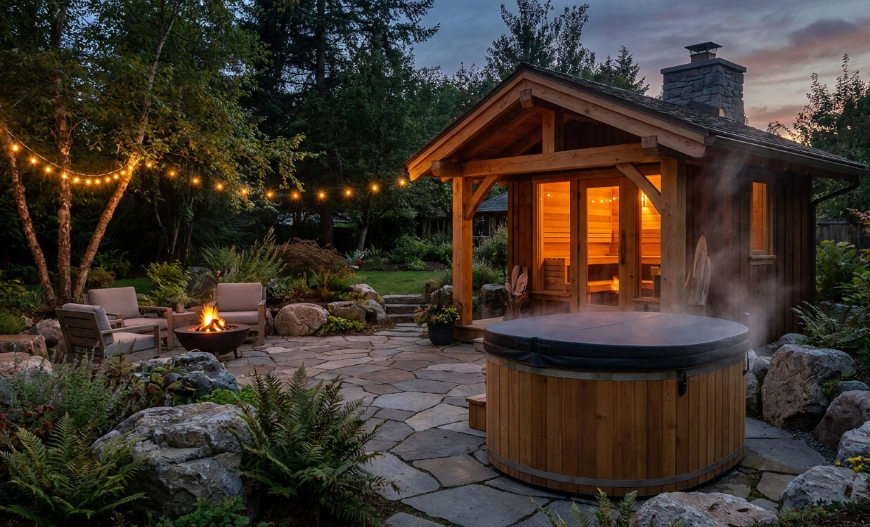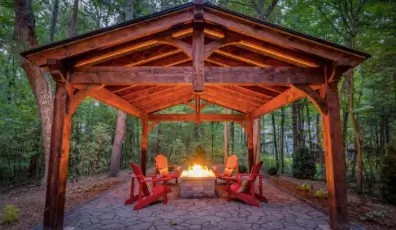
A backyard pavilion can instantly elevate your outdoor living space—adding shade, style, and a functional area for relaxation or entertaining. But while the finished structure may look simple, getting there is anything but. Pavilion installation requires careful planning, precise measurements, and a solid understanding of structural support.
Many homeowners attempt a DIY approach to save money, only to encounter problems that lead to frustration, safety risks, and costly repairs. The truth is, even small mistakes during installation can compromise the stability and longevity of your pavilion.
In this guide, we’ll break down the most common pavilion installation mistakes homeowners make—and more importantly, how to avoid them.
Why Proper Pavilion Installation Matters
Before diving into the mistakes, it’s important to understand what’s at stake. A pavilion is not just decorative—it’s a permanent outdoor structure exposed to:
- Wind and weather
- Moisture and temperature changes
- Ground movement over time
If installed incorrectly, these factors can quickly turn your pavilion into a safety hazard or a maintenance nightmare. Proper installation ensures:
- Structural stability
- Long-term durability
- Safe use for family and guests
Now, let’s explore where things often go wrong.
1. Installing on Uneven Ground
The Problem
One of the most common mistakes in pavilion installation is failing to prepare a level foundation. Homeowners often install pavilions directly on grass, uneven soil, or sloped surfaces without proper grading.
This leads to:
- Uneven weight distribution
- Structural imbalance
- Difficulty aligning posts and beams
Over time, the pavilion may tilt, shift, or become unstable.
How to Avoid It
- Always start with a level base, such as a concrete slab or properly prepared patio
- Use leveling tools to ensure accuracy before installation begins
- If installing on soil, compact and grade the ground properly
Why Professionals Do It Better
Professional installers assess the site conditions and prepare the foundation correctly, ensuring your pavilion starts on solid ground—literally.
2. Incorrect Anchoring
The Problem
Anchoring is the backbone of a stable pavilion, yet it’s often overlooked or done incorrectly in DIY installations. Common issues include:
- Not securing the pavilion to the ground
- Using the wrong anchors for the surface
- Attaching to weak or unstable materials
Without proper anchoring, the pavilion can:
- Shift during use
- Become unstable in strong winds
- Risk partial or complete collapse
How to Avoid It
- Use anchors specifically designed for your surface (concrete, wood deck, or soil)
- Ensure all posts are securely fastened
- Double-check all connections before use
Why Professionals Do It Better
Experts understand load-bearing requirements and use the correct anchoring systems to ensure your pavilion remains stable under all conditions.
3. Skipping or Misplacing Parts
The Problem
Pavilion kits often include dozens (or even hundreds) of components. It’s easy to misplace parts, skip steps, or assume certain pieces aren’t necessary.
This can result in:
- Weak joints and connections
- Incomplete structural support
- Reduced durability
Even one missing bracket or bolt can compromise the entire structure.
How to Avoid It
- Carefully inventory all parts before starting
- Follow the manufacturer’s instructions step by step
- Avoid improvising or substituting components
Why Professionals Do It Better
Professional installers are experienced with complex assemblies and ensure every component is used correctly, leaving no room for guesswork.
4. Improper Assembly Sequence
The Problem
Pavilion installation isn’t just about putting pieces together—it’s about doing so in the correct order. Many DIYers rush through the process or assemble parts out of sequence.
This can cause:
- Misaligned structures
- Difficulty attaching later components
- Increased stress on joints
In some cases, you may need to dismantle sections and start over.
How to Avoid It
- Follow the recommended assembly sequence precisely
- Take your time with each step
- Avoid skipping ahead, even if it seems faster
Why Professionals Do It Better
Experienced installers understand the correct workflow, ensuring smooth assembly without unnecessary rework or errors.
See also: New Construction Home Builders Perth Delivering Modern Custom Built Homes From Design to Completion
5. Poor Alignment and Measurement Errors
The Problem
Precision is key in pavilion installation. Small measurement errors can lead to big problems, such as:
- Crooked posts
- Uneven rooflines
- Gaps between components
These issues not only affect appearance but also weaken the structure over time.
How to Avoid It
- Measure twice (or even three times) before cutting or drilling
- Use levels and alignment tools throughout the process
- Regularly check for squareness and symmetry
Why Professionals Do It Better
Professionals use specialized tools and techniques to ensure perfect alignment, resulting in a structure that is both strong and visually appealing.
6. Using Incorrect or Low-Quality Fasteners
The Problem
Not all screws, bolts, and connectors are suitable for outdoor structures. DIY installers often:
- Use indoor-grade hardware
- Substitute missing fasteners
- Over-tighten or under-tighten connections
This can lead to:
- Corrosion and rust
- Loose joints
- Reduced structural integrity
How to Avoid It
- Use only manufacturer-recommended hardware
- Choose weather-resistant materials like galvanized or stainless steel
- Tighten connections to the correct specifications
Why Professionals Do It Better
Experts know which fasteners to use and how to apply them correctly, ensuring long-term durability and resistance to outdoor conditions.
7. Ignoring Weather and Environmental Factors
The Problem
Many DIY installations fail to consider how environmental factors will affect the pavilion over time. These include:
- Wind exposure
- Rainwater drainage
- Sun exposure
Ignoring these elements can result in:
- Water pooling on the roof
- Wind damage or instability
- Premature wear and tear
How to Avoid It
- Position the pavilion strategically based on wind direction
- Ensure proper roof slope for water runoff
- Choose materials suitable for your climate
Why Professionals Do It Better
Professional installers take environmental conditions into account, ensuring your pavilion is built to withstand local weather patterns.
8. Overlooking Safety During Installation
The Problem
Pavilion installation involves heavy components, elevated work, and power tools. DIYers often underestimate the risks involved.
This can lead to:
- Personal injury
- Improper handling of materials
- Unsafe assembly practices
How to Avoid It
- Use proper safety equipment
- Work with a team instead of alone
- Avoid rushing the process
Why Professionals Do It Better
Professionals are trained to handle heavy materials safely and follow strict safety protocols throughout the installation process.
9. Rushing the Installation Process
The Problem
Impatience is a common issue. Many homeowners try to complete pavilion installation quickly, leading to:
- Skipped steps
- Incomplete connections
- Overlooked details
This often results in costly fixes later.
How to Avoid It
- Allocate enough time for the project
- Break the installation into manageable steps
- Focus on quality rather than speed
Why Professionals Do It Better
Experienced installers work efficiently without cutting corners, ensuring every detail is handled correctly.
10. Underestimating the Complexity of the Project
The Problem
Perhaps the biggest mistake is assuming pavilion installation is a simple DIY task. In reality, it requires:
- Structural knowledge
- Precision tools
- Experience with outdoor construction
Underestimating the complexity often leads to multiple mistakes compounding into bigger issues.
How to Avoid It
- Honestly assess your skill level
- Research the installation process thoroughly
- Consider professional help for best results
The Case for Professional Pavilion Installation
After reviewing these common mistakes, one thing becomes clear: pavilion installation is not a typical weekend project. The margin for error is small, and the consequences of mistakes can be significant.
Benefits of Hiring Professionals
- Accurate site preparation for a stable foundation
- Secure anchoring to prevent movement and instability
- Precise assembly for long-term durability
- Weather-resistant construction for outdoor performance
- Time and stress savings with efficient installation
Most importantly, professional installation ensures your pavilion is safe, functional, and built to last.
Long-Term Value: Avoiding Costly Mistakes
While DIY installation may seem cost-effective initially, mistakes can quickly add up. You may end up paying for:
- Replacement parts
- Structural repairs
- Reinstallation services
In contrast, professional installation provides upfront reliability, reducing the likelihood of future expenses.
Final Thoughts
A pavilion is a valuable addition to any outdoor space—but only if it’s installed correctly. From uneven ground and incorrect anchoring to missing parts and poor alignment, DIY mistakes can compromise both safety and durability.
By understanding these common pitfalls and how to avoid them, you can make informed decisions about your project. And in many cases, the smartest decision is to trust professionals who have the tools, experience, and expertise to get it right the first time.
When it comes to pavilion installation, cutting corners isn’t worth the risk. Invest in proper installation, and you’ll enjoy a stable, beautiful, and long-lasting outdoor structure for years to come.
FAQs
1. What is the most common pavilion installation mistake?
Installing on uneven ground and improper anchoring are among the most frequent and serious issues.
2. Can I fix pavilion installation mistakes later?
Some issues can be corrected, but major mistakes may require partial or full reinstallation.
3. Do pavilions need to be anchored?
Yes, proper anchoring is essential for stability and safety, especially in windy conditions.
4. How long does pavilion installation take?
It can take several hours to a full day depending on size and complexity.
5. Is professional installation worth it?
Absolutely. It prevents costly errors, ensures safety, and guarantees long-term durability.