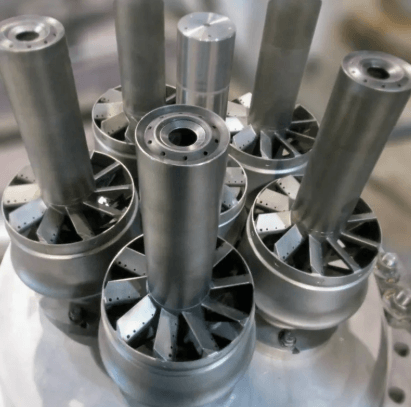
In turbine-driven systems, performance, efficiency, and reliability depend heavily on precise combustion. At the heart of this process are fuel nozzles—small but critical components responsible for delivering and atomizing fuel into the combustion chamber. When fuel nozzles begin to degrade, the impact is rarely isolated. Instead, it affects the entire system, leading to inefficiencies, operational instability, and potential equipment damage.
Recognizing early warning signs is essential for avoiding costly downtime and maintaining optimal turbine performance. Timely intervention through professional fuel nozzle repair services can restore system efficiency and prevent minor issues from escalating into major failures. This article highlights the most critical signs that indicate your system requires immediate attention, along with actionable insights for early detection and preventive action.
Increased Emissions and Compliance Challenges
One of the earliest and most noticeable signs of fuel nozzle issues is a rise in emissions. Turbine systems are designed to operate within strict environmental limits, especially for pollutants such as nitrogen oxides (NOx) and carbon monoxide (CO). When fuel nozzles are not functioning correctly, the combustion process becomes less efficient, leading to incomplete burning of fuel.
This inefficiency results in higher emissions, which can quickly push your system out of compliance with regulatory standards. Operators may notice frequent alarms or deviations in emissions monitoring systems. If left unresolved, this can lead to penalties, operational restrictions, or even forced shutdowns.
From a practical standpoint, a sudden or gradual increase in emissions should be treated as a strong indicator that fuel nozzle repair services are needed. Early inspection and cleaning can restore proper fuel-air mixing and bring emissions back within acceptable limits.
Uneven Combustion and Flame Instability
Stable combustion is essential for efficient turbine operation. When fuel nozzles degrade, they often produce irregular spray patterns, resulting in uneven fuel distribution within the combustion chamber. This imbalance disrupts the flame, causing instability.
Operators may observe symptoms such as fluctuating flame intensity, irregular temperature profiles, or abnormal combustion noise. These issues are not just performance concerns—they can also pose serious risks to the turbine.
Uneven combustion can lead to localized overheating, commonly referred to as hot spots. These hot spots increase thermal stress on components, accelerating wear and potentially causing permanent damage. Addressing these issues promptly with fuel nozzle repair services helps restore uniform combustion and prevents further complications.
Higher Fuel Consumption Without Increased Output
A noticeable increase in fuel consumption without a corresponding rise in power output is another clear sign of fuel nozzle problems. When nozzles are clogged, worn, or misaligned, they fail to atomize fuel efficiently. This leads to incomplete combustion, meaning more fuel is required to achieve the same level of performance.
Over time, this inefficiency can significantly impact operating costs, especially in large-scale power generation facilities. Plant managers may notice declining heat rates or reduced overall efficiency metrics.
Monitoring fuel usage trends is an effective way to detect early signs of trouble. If fuel consumption begins to rise unexpectedly, it is advisable to investigate the condition of the fuel nozzles. Engaging fuel nozzle repair services at this stage can quickly restore efficiency and reduce unnecessary fuel expenses.
Unexpected Turbine Trips and Shutdowns
Few issues are as disruptive as unplanned turbine trips. These sudden shutdowns can halt operations, disrupt production schedules, and result in substantial financial losses. While there are many potential causes of turbine trips, fuel nozzle problems are often a contributing factor.
When combustion becomes unstable due to faulty nozzles, it can trigger protective systems designed to prevent damage. For example, excessive vibration, abnormal temperature readings, or pressure fluctuations may activate automatic shutdown mechanisms.
If your system experiences frequent or unexplained trips, it is critical to consider the condition of the fuel nozzles. Prompt evaluation and repair can eliminate the root cause of instability and improve overall system reliability.
Excessive Vibration and Combustion Dynamics Issues
Vibration is a common symptom of combustion instability, and it often points to issues within the fuel delivery system. When fuel nozzles fail to distribute fuel evenly, pressure fluctuations occur within the combustion chamber. These fluctuations can generate oscillations that propagate through the turbine structure.
Over time, excessive vibration can damage critical components such as bearings, blades, and support structures. It also increases the likelihood of fatigue-related failures, which can be costly and time-consuming to repair.
Operators should pay close attention to vibration monitoring systems and investigate any unusual patterns or increases. Addressing the issue early through fuel nozzle repair services can prevent long-term damage and maintain mechanical integrity.
Formation of Hot Spots and Uneven Temperature Distribution
Hot spots are localized areas within the combustion chamber where temperatures exceed normal operating limits. These are often caused by uneven fuel distribution, which is directly linked to fuel nozzle performance.
Hot spots can lead to severe consequences, including:
- Warping or cracking of combustion components
- Accelerated material degradation
- Reduced lifespan of turbine parts
Thermal imaging and temperature monitoring systems can help identify these irregularities. If hot spots are detected, it is essential to inspect the fuel nozzles immediately. Professional repair services can correct flow imbalances and restore uniform temperature distribution.
See also: Cybersecurity Strategies for Small Businesses
Carbon Buildup and Visible Deposits
Over time, fuel nozzles can accumulate carbon deposits due to incomplete combustion or poor fuel quality. These deposits restrict fuel flow and alter spray patterns, further exacerbating performance issues.
Visible signs of carbon buildup may include:
- Dark residue on nozzle tips
- Reduced flow rates
- Irregular spray patterns
Routine inspections can help detect these deposits before they become severe. Cleaning and reconditioning through fuel nozzle repair services can remove buildup and restore proper functionality.
Delayed Start-Up or Ignition Problems
Fuel nozzle issues can also affect the startup phase of turbine operation. If nozzles are clogged or not delivering fuel correctly, ignition may be delayed or inconsistent. This can lead to longer startup times, increased wear on ignition systems, and potential safety concerns.
Operators may notice difficulty in achieving stable ignition or repeated attempts to start the turbine. These symptoms should not be ignored, as they often indicate underlying nozzle problems.
Timely repair and calibration ensure that fuel is delivered accurately during startup, improving reliability and reducing operational delays.
Declining Overall Turbine Performance
Sometimes, the signs of fuel nozzle issues are not immediately obvious but manifest as a gradual decline in overall performance. This may include reduced power output, lower efficiency, or inconsistent operation.
Performance monitoring systems can provide valuable insights into these trends. By analyzing key metrics such as heat rate, output levels, and emissions, operators can identify deviations from normal performance.
If a consistent decline is observed, it is important to consider fuel nozzle condition as a potential cause. Engaging fuel nozzle repair services can help restore performance and prevent further deterioration.
Actionable Steps for Early Detection
Recognizing the warning signs is only the first step. Implementing a proactive approach to maintenance and monitoring is essential for preventing issues before they escalate.
Regular Inspections
Schedule routine inspections to check for wear, deposits, and damage. Early detection allows for timely intervention.
Performance Monitoring
Use advanced monitoring systems to track emissions, fuel consumption, and vibration levels. These metrics provide early indicators of nozzle issues.
Preventive Maintenance Programs
Establish a structured maintenance schedule that includes cleaning, testing, and calibration of fuel nozzles.
Partner with Experts
Work with experienced service providers who specialize in fuel nozzle repair services. Their expertise and advanced tools ensure high-quality repairs and reliable results.
Maintain Detailed Records
Keeping track of maintenance history and performance data helps identify recurring issues and optimize maintenance strategies.
The Cost of Delayed Action
Ignoring the warning signs of fuel nozzle problems can have serious consequences. What starts as a minor issue can quickly escalate into a major failure, resulting in:
- Expensive repairs or component replacement
- Extended downtime
- Loss of production and revenue
- Increased regulatory risks
By taking prompt action, operators can avoid these costs and maintain efficient, reliable operations.
Conclusion
Fuel nozzles are critical to the performance and stability of turbine systems. When they begin to fail, the effects can be seen across multiple aspects of operation—from increased emissions and fuel consumption to vibration, hot spots, and unexpected shutdowns.
Recognizing these warning signs early is essential for maintaining system health and avoiding costly disruptions. Professional fuel nozzle repair services provide the expertise and solutions needed to restore performance, improve efficiency, and ensure reliable operation.
For plant operators and engineers, the key takeaway is clear: proactive monitoring and timely repair are not optional—they are essential. By addressing issues as soon as they arise, you can protect your turbine assets, optimize performance, and achieve long-term operational success.