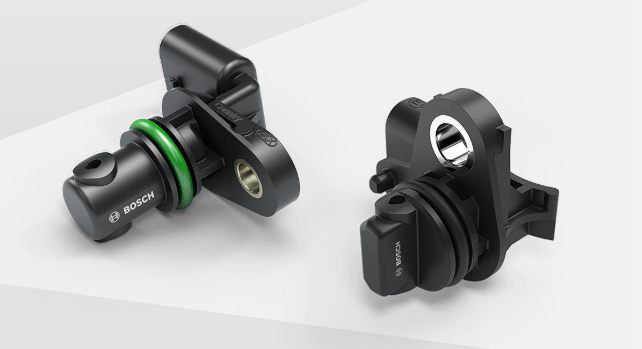
Modern vehicles are no longer just mechanical machines—they are highly intelligent systems powered by advanced electronics. At the core of this transformation are automotive sensors that continuously monitor vehicle performance, safety, and efficiency. Among the leading innovators in this space, Bosch automotive sensors play a critical role in shaping the future of mobility.
Bosch is known globally for its precision engineering and automotive technology solutions. Its range of sensors is widely used in passenger vehicles, commercial vehicles, and electric vehicles to improve safety, reduce emissions, and enhance driving performance.
In this guide, we’ll explore what Bosch automotive sensors are, how they work, their types, and why they are essential for modern vehicles.
What Are Bosch Automotive Sensors?
Bosch automotive sensors are advanced electronic components designed to detect and measure various physical conditions in a vehicle. These conditions can include temperature, pressure, speed, oxygen levels, motion, and more.
Once collected, this data is sent to the vehicle’s electronic control units (ECUs), which process the information and adjust vehicle functions accordingly. This ensures optimal performance, safety, and fuel efficiency.
In simple terms, these sensors act as the “eyes and ears” of a vehicle, enabling it to react intelligently to driving conditions.
Why Automotive Sensors Are Important
Automotive sensors have become essential in modern vehicles because they enable automation, efficiency, and safety. Without sensors, today’s advanced features such as ABS braking, airbag deployment, fuel injection control, and emission monitoring would not be possible.
Bosch automotive sensors help vehicles operate more efficiently by continuously monitoring key systems and making real-time adjustments. This leads to smoother driving, better fuel economy, and reduced environmental impact.
They also play a major role in safety systems that protect drivers and passengers during critical situations.
Types of Bosch Automotive Sensors
Bosch offers a wide range of automotive sensors, each designed for specific functions within a vehicle. These sensors work together to ensure overall system efficiency and safety.
One of the most important types is the oxygen sensor, which monitors exhaust gases to help control fuel combustion and reduce emissions. Another key sensor is the temperature sensor, which tracks engine and coolant temperature to prevent overheating.
Pressure sensors are used in systems such as tire pressure monitoring and fuel injection, ensuring optimal performance and safety. Speed sensors help control ABS braking systems and transmission functions.
Bosch also produces position sensors, which detect the position of components like throttle valves and crankshafts, enabling precise engine control.
How Bosch Sensors Improve Vehicle Performance
Bosch automotive sensors are designed to enhance overall vehicle performance by providing accurate and real-time data to the engine control system.
For example, oxygen sensors help maintain the ideal air-fuel mixture in the engine, improving combustion efficiency. This results in better fuel economy and lower emissions.
Speed and position sensors ensure smooth gear shifting and stable vehicle control. Temperature and pressure sensors protect critical engine components from damage by detecting abnormal conditions early.
By working together, these sensors optimize every aspect of vehicle performance, making driving smoother and more efficient.
Role of Sensors in Vehicle Safety
Safety is one of the most important functions of automotive sensors. Bosch sensors are widely used in advanced safety systems such as anti-lock braking systems (ABS), electronic stability control (ESC), and airbag deployment systems.
For example, wheel speed sensors help detect sudden braking and prevent wheel lock-up, improving vehicle control. Crash sensors detect sudden impact and trigger airbag deployment within milliseconds.
These systems rely on accurate sensor data to respond quickly in emergency situations, significantly reducing the risk of accidents and injuries.
Sensors in Emission Control and Environmental Impact
Environmental regulations have become stricter in recent years, and automotive sensors play a key role in helping vehicles meet these standards.
Bosch oxygen sensors and exhaust gas sensors monitor emissions and ensure that the engine operates within acceptable limits. This helps reduce harmful gases released into the environment.
By optimizing fuel combustion and reducing waste, these sensors contribute to cleaner and more sustainable transportation.
Bosch Sensors in Electric and Hybrid Vehicles
With the rise of electric and hybrid vehicles, automotive sensors have become even more important. Bosch sensors are used to monitor battery performance, temperature levels, and energy distribution.
In electric vehicles, sensors help manage battery health and ensure safe charging and discharging cycles. They also support regenerative braking systems, which improve energy efficiency.
As the automotive industry moves toward electrification, the demand for advanced sensor technology continues to grow.
Benefits of Bosch Automotive Sensors
Bosch automotive sensors offer several key benefits that make them a preferred choice for vehicle manufacturers worldwide.
They provide high accuracy and reliability, ensuring consistent vehicle performance under different driving conditions. Their durability allows them to function effectively even in extreme temperatures and harsh environments.
These sensors also contribute to fuel efficiency by optimizing engine performance and reducing unnecessary fuel consumption. Additionally, they enhance vehicle safety through real-time monitoring and rapid response systems.
Maintenance and Longevity
While Bosch automotive sensors are designed for durability, regular vehicle maintenance is important to ensure optimal performance.
Over time, sensors may be affected by dirt, wear, or electrical issues, which can impact accuracy. Routine diagnostics can help identify faulty sensors early and prevent larger mechanical problems.
Proper maintenance ensures that sensors continue to deliver accurate data and maintain overall vehicle efficiency.
Future of Automotive Sensor Technology
The future of automotive sensors is closely tied to advancements in autonomous driving and smart mobility. Vehicles are becoming increasingly dependent on sensor data to make real-time decisions without human intervention.
Bosch is actively developing next-generation sensor technologies that support self-driving systems, improved safety features, and enhanced connectivity.
As vehicles become more intelligent, sensors will play an even greater role in shaping the future of transportation.
See also: Cybersecurity Strategies for Small Businesses
Final Thoughts
Bosch automotive sensors are a fundamental part of modern vehicle technology. They improve performance, enhance safety, reduce emissions, and support the transition toward electric and autonomous vehicles.
By continuously monitoring critical systems and providing real-time data, these sensors ensure that vehicles operate efficiently and safely under all conditions.
As the automotive industry continues to evolve, Bosch remains at the forefront of innovation, delivering sensor solutions that define the future of mobility.