Senior bathroom remodeling is an important step toward creating a safer and more comfortable living environment for older adults. As people age, everyday tasks that once felt simple—like stepping into a shower or getting up from a toilet—can become challenging. A thoughtfully designed bathroom can reduce risks, support independence, and make daily routines easier without sacrificing comfort or style.
This guide explains everything you need to know about senior bathroom remodeling, including design planning, essential safety features, layout ideas, budgeting, and practical considerations for long-term use.
Understanding the Importance of Senior Bathroom Remodeling
Bathrooms are one of the most accident-prone areas in any home, especially for seniors. Slippery floors, tight spaces, and high bathtubs can create serious hazards. Falls in the bathroom often lead to injuries that affect mobility and overall health, which is why remodeling becomes more than just a design choice—it becomes a safety necessity.
A well-planned senior bathroom remodel focuses on minimizing these risks while making the space easier to use. It allows older adults to maintain independence for longer and reduces reliance on caregivers. At the same time, modern design options ensure that safety upgrades do not make the bathroom look clinical or outdated.
Planning Before You Start the Remodel
Before beginning any remodeling work, it is important to carefully evaluate current and future needs. One of the first things to consider is mobility. Some seniors may still move independently, while others may use walkers or wheelchairs. This affects how much space is needed and how fixtures should be placed.
Another key factor is long-term usability. Even if mobility is currently good, designing a bathroom that remains functional for years helps avoid future renovations. This concept is often referred to as “aging in place,” where the home is adapted so that individuals can stay in it comfortably as they grow older.
Budget is also an important consideration. A remodel can range from minor safety upgrades to full structural changes, so understanding financial limits early helps guide decisions without compromising essential feature
Creating a Safer Shower and Bath Are
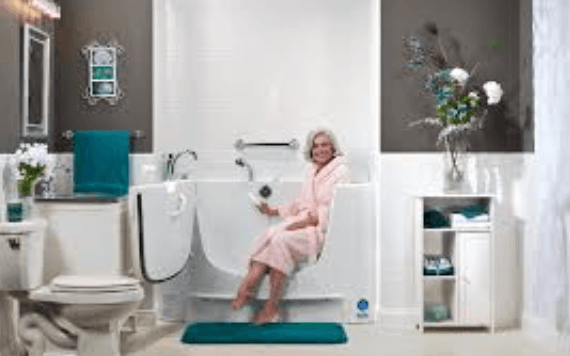
The shower or bathtub is often the most critical area in a senior bathroom remodel. Traditional tubs with high edges can be difficult to step over and increase the risk of slipping. For this reason, many homeowners choose walk-in showers or walk-in tubs.
A walk-in shower typically has a low or zero threshold, which makes entry much easier. It can also include a built-in bench where users can sit while bathing. Walk-in tubs are another option, designed with a door that allows entry without lifting the legs over a high edge. Both options significantly improve safety and accessibility.
Adding a handheld showerhead can also make bathing easier, as it allows better control of water flow while seated. These small design decisions make a big difference in comfort and usability.
Supporting Stability with Grab Bars and Fixtures
One of the most effective safety upgrades in any senior bathroom is the installation of grab bars. These are strategically placed support bars that help prevent slips and provide balance when moving around the bathroom.
They are usually installed near the toilet, inside the shower, and along walls where extra support is needed. When properly anchored, grab bars can safely support body weight and reduce the risk of falling during transfers or movement.
Along with grab bars, comfort-height toilets are also a valuable addition. These toilets are slightly taller than standard ones, making it easier for seniors to sit down and stand up without straining their knees or back. When combined with sturdy support bars, they significantly improve toilet safety.
Flooring, Lighting, and Visibility Improvements
Flooring plays a major role in bathroom safety. Slippery surfaces are one of the leading causes of falls, so choosing the right material is essential. Textured tiles, non-slip vinyl, or rubber flooring are commonly used because they provide better grip even when wet. Avoiding glossy finishes is equally important, as they tend to become dangerously slippery.
Lighting is another crucial aspect that is often overlooked. Poor visibility can lead to missteps and accidents, especially during nighttime bathroom use. A well-lit bathroom includes bright overhead lighting, focused task lighting near mirrors, and sometimes motion-sensor lights that automatically turn on when someone enters the room. These improvements ensure that the space remains safe and easy to navigate at all times.
Designing an Accessible Sink and Vanity Area
Traditional sinks and vanities are not always suitable for seniors, especially those who use wheelchairs or have limited mobility. In a senior-friendly design, sinks are often wall-mounted or have open space underneath to allow wheelchair access.
Faucets with lever handles are also preferred over traditional knobs because they are easier to operate with limited hand strength. Rounded edges and simple layouts help reduce the risk of accidental bumps or injuries. The goal is to make the sink area functional, comfortable, and easy to use without unnecessary strain.
Doorways, Layout, and Movement Space
Another important part of senior bathroom remodeling is ensuring enough space for easy movement. Narrow doorways can make it difficult for walkers or wheelchairs to pass through, so widening entrances is often necessary. In many cases, sliding or pocket doors are installed to save space and improve accessibility.
Inside the bathroom, the layout should allow smooth movement between the toilet, sink, and shower without obstacles. A clutter-free design helps prevent accidents and makes the space feel more open and manageable.
Comfort and Aesthetic Balance
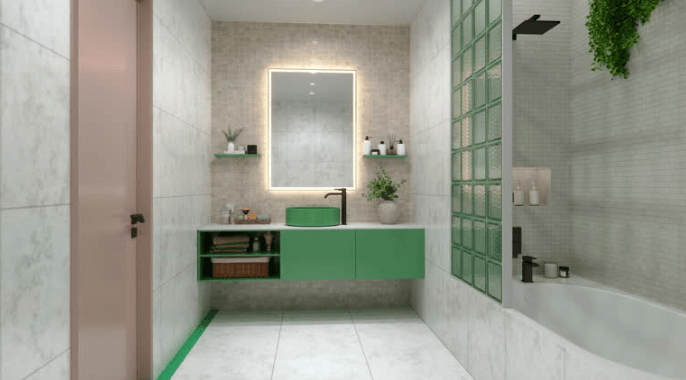
While safety is the main focus, the bathroom should also feel pleasant and inviting. Modern senior bathroom designs avoid a medical or institutional look by incorporating soft colors, warm lighting, and stylish fixtures.
Neutral tones such as beige, soft gray, or pastel shades create a calming environment, while contrasting colors can help distinguish different areas of the bathroom for better visibility. Materials that are easy to clean also contribute to long-term convenience, reducing maintenance effort while keeping the space fresh and hygienic.
Budget Considerations and Cost Factors
The cost of senior bathroom remodeling varies depending on the level of renovation. Small updates such as installing grab bars or replacing fixtures may be relatively affordable, while full remodels involving plumbing changes, walk-in tubs, or structural adjustments can be more expensive.
Labor, materials, and customization all affect the final cost. It is important to plan carefully and prioritize essential safety features first. Many homeowners choose to complete the remodel in phases if budget constraints are a concern.
Working with Professionals
Hiring experienced professionals is highly recommended for senior bathroom remodeling projects. Skilled contractors understand accessibility requirements and can ensure that all installations meet safety standards. They also help avoid common mistakes such as improper grab bar placement or poor drainage design.
Before hiring a contractor, it is useful to review their previous work, especially projects involving accessible or senior-friendly designs. Clear communication about needs and expectations ensures a smoother remodeling process and better final results.
Common Mistakes to Avoid
One of the most common mistakes in senior bathroom remodeling is focusing too much on appearance while ignoring functionality. While design is important, safety should always come first. Another mistake is underestimating future needs. A bathroom that works today may not be suitable in five or ten years if mobility decreases.
Poor lighting, lack of support features, and cramped layouts are also frequent issues that can be avoided with proper planning. Taking time to think ahead helps ensure the bathroom remains useful for the long term.
See also: The Difference Between a Smooth Home Build and a Stressful One Usually Comes Down to This
Final Thoughts
Senior bathroom remodeling is an investment in safety, independence, and quality of life. A well-designed bathroom allows older adults to move confidently, reduce the risk of injury, and maintain dignity in their daily routines.
By focusing on practical upgrades such as walk-in showers, grab bars, non-slip flooring, improved lighting, and accessible layouts, homeowners can create a space that is both safe and comfortable. When combined with thoughtful design and professional installation, a senior-friendly bathroom becomes a long-term solution that supports aging in place with ease and peace of mind.