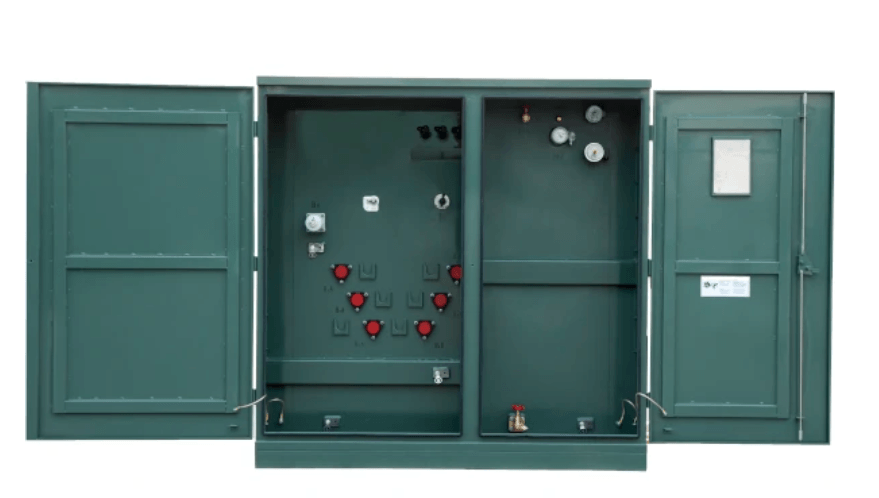
Grounding transformers play a critical role in maintaining the stability and safety of electrical power systems. In industrial and commercial networks, grounding transformers provide a neutral point in ungrounded or delta-connected systems, enabling proper fault detection and protection. Despite their importance, these transformers are often overlooked until a failure occurs, leading to costly downtime and potential safety hazards.
Understanding the common issues associated with grounding transformers and how to prevent them is essential for engineers, maintenance teams, and facility managers. With proper knowledge and proactive strategies, many of these problems can be avoided entirely, ensuring consistent performance and long-term reliability.
Understanding the Role of Grounding Transformers
Before exploring the problems, it is important to understand how grounding transformers function within an electrical system. These transformers are typically used to create a neutral point for grounding purposes in systems where one does not naturally exist, such as delta configurations.
They also limit fault currents, stabilize system voltages during transient conditions, and improve overall power quality. Without proper grounding, electrical systems become more vulnerable to voltage fluctuations, equipment damage, and safety risks.
Overheating and Thermal Stress
One of the most common issues in grounding transformers is overheating. This problem often arises due to continuous or excessive fault currents that exceed the design limits of the transformer.
Over time, thermal stress can degrade insulation materials, reduce efficiency, and eventually lead to failure. Overheating is particularly dangerous because it may not always be immediately visible, yet it progressively weakens the transformer.
Causes of Overheating
- Prolonged ground fault conditions
- Inadequate transformer sizing
- Poor ventilation or cooling systems
Prevention Strategies
Proper sizing of the transformer is the first step in preventing overheating. Engineers must consider both expected load conditions and potential fault scenarios during the design phase. Additionally, ensuring adequate ventilation and periodic thermal inspections can help detect early warning signs before major damage occurs.
Insulation Failure
Insulation failure is another significant issue that can compromise the performance of grounding transformers. Insulation materials are designed to withstand electrical stress, but factors such as heat, moisture, and contamination can accelerate their deterioration.
When insulation breaks down, it can lead to short circuits, internal faults, and even complete transformer failure.
Contributing Factors
Environmental conditions play a major role in insulation degradation. High humidity, dust accumulation, and chemical exposure can all weaken insulation over time. Electrical stress caused by voltage spikes further accelerates this process.
Prevention Techniques
Regular insulation resistance testing is essential to monitor the health of the transformer. Keeping the transformer clean and dry, along with using high-quality insulation materials during manufacturing, significantly reduces the risk of failure. Surge protection devices can also help minimize voltage-related stress.
Improper Grounding Design
A poorly designed grounding system can create more problems than it solves. If the grounding transformer is not properly integrated into the system, it may fail to provide an effective path for fault currents.
This can result in unstable voltages, equipment malfunction, and increased risk of electrical hazards.
Common Design Mistakes
Incorrect selection of grounding impedance is a frequent issue. If the impedance is too high, fault currents may not be sufficient to trigger protective devices. If it is too low, excessive current can damage equipment.
How to Avoid Design Issues
Accurate system analysis is crucial during the planning stage. Engineers should perform detailed fault studies to determine the appropriate grounding method and transformer specifications. Collaboration between design and protection teams ensures that all components work together effectively.
Harmonic Distortion
Grounding transformers can be affected by harmonic currents, especially in systems with non linear loads such as variable frequency drives and power electronics. Harmonics generate additional heat and can distort voltage waveforms, reducing overall system efficiency.
Over time, excessive harmonic distortion can lead to insulation stress and overheating.
Sources of Harmonics
Modern industrial systems often include equipment that introduces harmonics into the network. These include drives, rectifiers, and switching devices.
Mitigation Methods
Installing harmonic filters is one of the most effective ways to control distortion. Additionally, selecting transformer designs that can handle harmonic loads, such as zig zag grounding transformers, helps improve performance under such conditions.
See also: How Clear Job Descriptions Can Improve Hiring Outcomes
Core Saturation
Core saturation occurs when the magnetic core of the transformer operates beyond its capacity, usually due to overvoltage or abnormal operating conditions. This leads to increased magnetizing current, excessive heat generation, and reduced efficiency.
Saturation can also produce noise and vibration, which may indicate underlying issues within the system.
Causes of Core Saturation
Voltage imbalances and transient surges are common triggers. Incorrect system configuration can also push the transformer beyond its design limits.
Preventive Measures
Maintaining stable voltage levels and using protective devices such as surge arresters can help prevent saturation. Proper system design and regular monitoring ensure that the transformer operates within safe limits.
Mechanical Failures
Although electrical issues are more common, mechanical failures should not be ignored. Components such as windings, connections, and mounting structures can degrade over time due to vibration, thermal expansion, and environmental factors.
Loose connections, in particular, can lead to localized heating and eventual failure.
Key Risk Areas
- Winding displacement due to short circuit forces
- Loose or corroded connections
- Structural wear and tear
Prevention Practices
Routine inspections and maintenance are essential to identify mechanical issues early. Tightening connections, checking for signs of wear, and ensuring proper installation can significantly extend the life of the transformer. Visit Meta Power Solutions to explore grounding transformers.
Moisture Ingress and Contamination
Moisture is a major enemy of electrical equipment, and grounding transformers are no exception. Water ingress can reduce insulation strength, cause corrosion, and lead to internal faults.
Contaminants such as dust and oil residues can further worsen the situation by creating conductive paths.
Sources of Moisture
Transformers installed in outdoor or humid environments are particularly vulnerable. Poor sealing and inadequate protective enclosures can allow moisture to enter the system.
Preventive Actions
Using sealed enclosures and proper weatherproofing measures can protect the transformer from environmental exposure. Regular cleaning and moisture level monitoring help maintain optimal operating conditions.
Inadequate Protection Coordination
Grounding transformers rely on protection systems to detect and isolate faults. If these protection mechanisms are not properly coordinated, faults may go undetected or take too long to clear.
This delay can result in severe damage to both the transformer and connected equipment.
Common Protection Issues
Improper relay settings and lack of coordination between protective devices are frequent challenges. In some cases, outdated protection systems may not respond effectively to modern network conditions.
Improving Protection Systems
Regular testing and calibration of protection devices ensure accurate fault detection. Upgrading to advanced protection technologies can enhance system reliability and reduce the risk of failure.
Lack of Regular Maintenance
Many grounding transformer issues stem from neglect rather than design flaws. Without regular maintenance, minor problems can escalate into major failures.
Routine checks help identify wear, contamination, and performance deviations before they become critical.
Essential Maintenance Activities
- Visual inspections for physical damage
- Thermal imaging to detect hotspots
- Electrical testing for insulation and resistance
Building a Maintenance Plan
A structured maintenance schedule tailored to the operating environment and load conditions is essential. Documentation of inspection results also helps track performance trends over time.
Overloading and Misapplication
Grounding transformers are designed for specific applications, and using them outside their intended purpose can lead to serious issues. Overloading, whether intentional or accidental, places excessive stress on the transformer.
This can result in overheating, insulation failure, and reduced lifespan.
Causes of Overloading
Changes in system configuration or load expansion without proper analysis can lead to unexpected stress on the transformer.
Prevention Strategies
Ensuring that the transformer is used within its rated capacity is critical. Periodic system reviews help identify changes that may require upgrades or adjustments to the grounding system.
The Importance of Proper Installation
Even a well designed transformer can fail if it is not installed correctly. Installation errors such as improper connections, inadequate grounding, and poor alignment can compromise performance from the start.
Common Installation Mistakes
Incorrect wiring and lack of proper earthing connections are among the most frequent issues. These mistakes can lead to ineffective grounding and increased risk of faults.
Best Practices for Installation
Following manufacturer guidelines and industry standards is essential. Skilled technicians should handle installation to ensure that all components are correctly configured and tested before operation.
Conclusion
Grounding transformers are essential for maintaining the safety and stability of electrical systems, but they are not immune to problems. Issues such as overheating, insulation failure, harmonic distortion, and improper grounding design can significantly impact their performance.
The good news is that most of these challenges can be prevented through proper design, regular maintenance, and careful monitoring. By understanding the common issues and implementing proactive measures, organizations can ensure reliable operation and extend the lifespan of their grounding transformers.