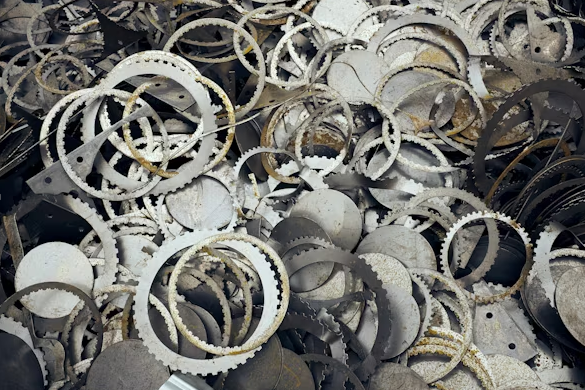
Manufacturing floors, workshops, and construction sites naturally produce metal offcuts, packaging, and used parts. At first, these piles seem harmless, just a temporary by‑product of the production process. Over time, they grow into corners, aisles, and storage areas, taking up space that is needed for equipment and people to operate in. Before long, what started as a small nuisance has become a full‑blown problem.
Businesses often seek help only once the material is already crowding the workspace. By that stage, the scrap is no longer just a leftover; it is a safety risk, a logistical headache, and a lost opportunity. organising it into a structured recycling stream can feel like a reactive fix instead of a proactive plan. Yet, the right approach to handle scrap metal Melbournecan turn that same waste into a cleaner, safer, and more profitable workflow.
How Scrap Turns From Background Detail Into Visible Risk
Space Compression And Lost Productivity: When scrap begins to fill walkways, loading bays, and storage sections, it eats into usable space. Cranes cannot move, pallets stack awkwardly, and forklifts cut closer to people. This makes movements tense and slower. What could have been a simple transfer becomes a cautious, time‑consuming manoeuvre.
Safety Hazards Hidden In Plain Sight: Loose metal pieces, sharp edges, and unstable stacks can injure workers during movement or transfer. Employees might step on something small, trip over a pile, or strain backs lifting heavy sections. Over time, the site feels less controlled, even if no serious incident has occurred yet. The environment starts to feel sloppier and more dangerous.
Impact On Equipment And Workflow: When scrap is everywhere, equipment has less room to operate. Maintenance becomes harder because mechanics need to clear space before even starting. Downtime increases, setups take longer, and small jobs stretch into half‑day tasks. The cumulative effect is a slower, more frustrating operation that feels like it is always catching up.
Why Businesses Keep Reacting Late
Late‑Stage Awareness Of The Issue: Many managers accept scrap as part of the job until something dramatic happens. A blocked exit, a near‑miss, or a comment from safety inspectors can trigger action. By that point, the material is already spread across several areas, making sorting and removal harder. The urgency feels forced, not planned.
Underestimating The Financial Opportunity: Some owners see scrap only as waste, not as a revenue stream. They tolerate storage and handling costs because they do not realise how quickly volumes add up. When prices are high and the material is well sorted, payments can offset part of operating costs. Ignoring this opportunity means giving away a small but steady income.
Routine That Builds On Bad Habits: When workers get used to dumping metal in the nearest corner, that pattern becomes normal. Emptying bins does not follow a schedule, and there is no clear owner for the scrap area. Over time, the standard simply becomes “we will deal with it later.” That mindset makes it easy to leave the problem until it cannot be ignored.
How Last‑Minute Decisions Hurt The Bottom Line
Rushed Pickups And Poor Planning: When businesses suddenly decide to clear the site, they often call the first available service, regardless of timing or rate. Pickups may clash with production runs, deliveries, or shift changes. This forces staff to work around the process instead of the other way around. The result is a frantic, poorly coordinated event.
Lower Returns Due To Poor Sorting: When scrap is thrust into a container at the last minute, everything is mixed. Different grades of metal sit together, contaminated with dirt, oil, and non‑metal waste. This mixture reduces the value per tonne. Buyers may discount the load or refuse parts of it entirely, which turns what could have been a decent return into a modest payout.
Missed Opportunities For Steady Cash Flow: Regular, well‑organised scrap removal creates a smoother cash pattern. Instead of waiting until the yard is full, businesses can schedule periodic pickups and keep the flow of income steadier. Waiting until it is too late means missing the chance to build that consistency into the financial plan.
Turning Reactive Scrap Habits Into Clear Systems
Structured Scrap Collection Points: Businesses that handle scrap metal Melbourne effectively set up dedicated collection areas for each metal type. Separate bays for steel, aluminium, copper, and mixed waste keep grades cleaner. Clear signage shows teams where each material should go. This simple step cuts down on contamination and increases market value.
Scheduled Removal As Part Of Operations: Instead of treating scrap collection as an extra task, smart companies build it into the weekly schedule. A fixed pickup day frees up space, supports safety, and keeps the area tidy. Staff get used to clearing sections after specific jobs, which makes the process feel routine rather than stressful.
Training And Accountability For Handling: When staff understand why sorting matters and how it affects revenue, they treat scrap more carefully. Regular briefings, clear labels, and simple checklists keep everyone aligned. Assigning responsibility for each collection point helps prevent the “someone else will do it” mindset that lets piles grow unchecked.
See also: Cybersecurity Strategies for Small Businesses
How A Strong System Supports Safety And Compliance
Reduced Risk From Unstable Storage: When scrap is controlled and stacked properly, the risk of collapsing piles and falling metal drops. Designated bays with clear weight limits and safe stacking heights make movement around them safer. The site feels less like a cluttered yard and more like a well‑managed production area.
Easier Audits And Inspections: Clean, organised scrap areas make regulatory checks smoother. Inspectors can see bins, labels, and safety signs without sifting through piles. Documentation of regular pickups and proper handling becomes clear and consistent. This reduces the chance of fines or corrective orders.
Better waste management Practices Across The Site: Structured metal handling encourages discipline in other waste streams. When teams learn to separate wood, plastic, and packaging, the whole site becomes tidier. This approach reduces fire risk, improves housekeeping, and supports more professional plant operations.
Turning Waste Into A Productive Asset
- Well‑sorted ferrous and non‑ferrous metals can fetch significantly higher prices per tonne.
- Regular pickups reduce the need for costly emergency removal and overtime work.
- Dedicated collection points minimise safety hazards and keep walkways clear.
- Scheduled services make it easier to plan around production and delivery schedules.
- Clear labelling and training improve sorting accuracy and reduce contamination
Building A System That Works Before It’s Too Late
Scrap metal does not suddenly become a problem on the day everything is full. It grows slowly, quietly, and predictably until it can no longer be ignored. Businesses that treat it as a minor background issue often pay the price in safety, time, and lost revenue. Taking the time now to map out clearly defined collection points, cleaning steps, and regular removal schedules can turn a growing problem into a controlled, profitable part of the operation. If you want to avoid that last‑minute scramble, start planning your scrap management strategy before the piles reach the ceiling.