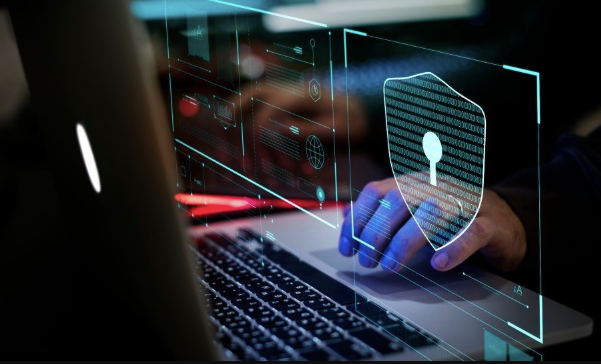
In the evolving landscape of remote work, cybersecurity best practices have become imperative. Employees must navigate the complexities of securing their home networks, recognizing phishing attempts, and employing robust password strategies. Each element plays a critical role in safeguarding sensitive information. Understanding these practices can significantly reduce vulnerabilities. However, many remote workers underestimate the importance of these measures. The question remains: what specific steps can one take to enhance their cybersecurity posture in a remote environment?
Secure Your Home Network for Remote Work
Securing a home network is a crucial step for remote workers aiming to protect sensitive information from cyber threats.
Implementing robust router security measures, such as changing default passwords and enabling WPA3 encryption, enhances protection. Regularly updating firmware and disabling unnecessary features further fortifies the network.
See also:headlinebusinessnews
Recognize and Avoid Common Phishing Scams
How can remote workers effectively identify and steer clear of phishing scams that threaten their sensitive information?
By implementing rigorous email verification processes and maintaining heightened scam awareness, they can discern legitimate communications from fraudulent attempts.
Regular training on identifying suspicious emails and links, along with cautious scrutiny of unexpected requests, further empowers remote workers to protect their personal and professional data effectively.
Use Strong Passwords and Two-Factor Authentication
A robust password strategy combined with two-factor authentication (2FA) significantly enhances the security posture of remote workers.
Effective password management involves using complex passwords, unique for each account, and regularly updating them.
Implementing varied authentication methods, such as SMS codes or authenticator apps, adds an additional layer of security, safeguarding sensitive information against unauthorized access and reducing the risk of cyber threats.
Keep Your Devices Updated and Protected
Although many remote workers may underestimate the importance of keeping their devices updated, doing so is critical for maintaining cybersecurity.
Regular software updates address vulnerabilities and enhance performance, while robust antivirus protection safeguards against emerging threats.
Conclusion
In conclusion, as remote workers navigate the digital landscape akin to Odysseus facing the perils of the sea, they must employ cybersecurity best practices to safeguard their journeys. By securing home networks, recognizing phishing threats, utilizing robust passwords, and keeping devices updated, they can effectively fortify their defenses against cyber adversaries. Embracing these strategies not only protects sensitive information but also cultivates a culture of vigilance, ensuring a safe and productive remote work environment.